
|
Why bother? To begin with, not picking up after Fido is against the law. Blaine County Animal Code 4-4-3 states that pet owners must clean up after their pets. Apart from being a nuisance that can ruin a nice hike, dog waste contains fecal coliform, salmonella, strep and giardia, all of which can cause disease in humans and pollute our pristine rivers and streams. What some believe is just “natural fertilizer” is actually an offensive pollutant that we need to keep off the trails and out of our streams.
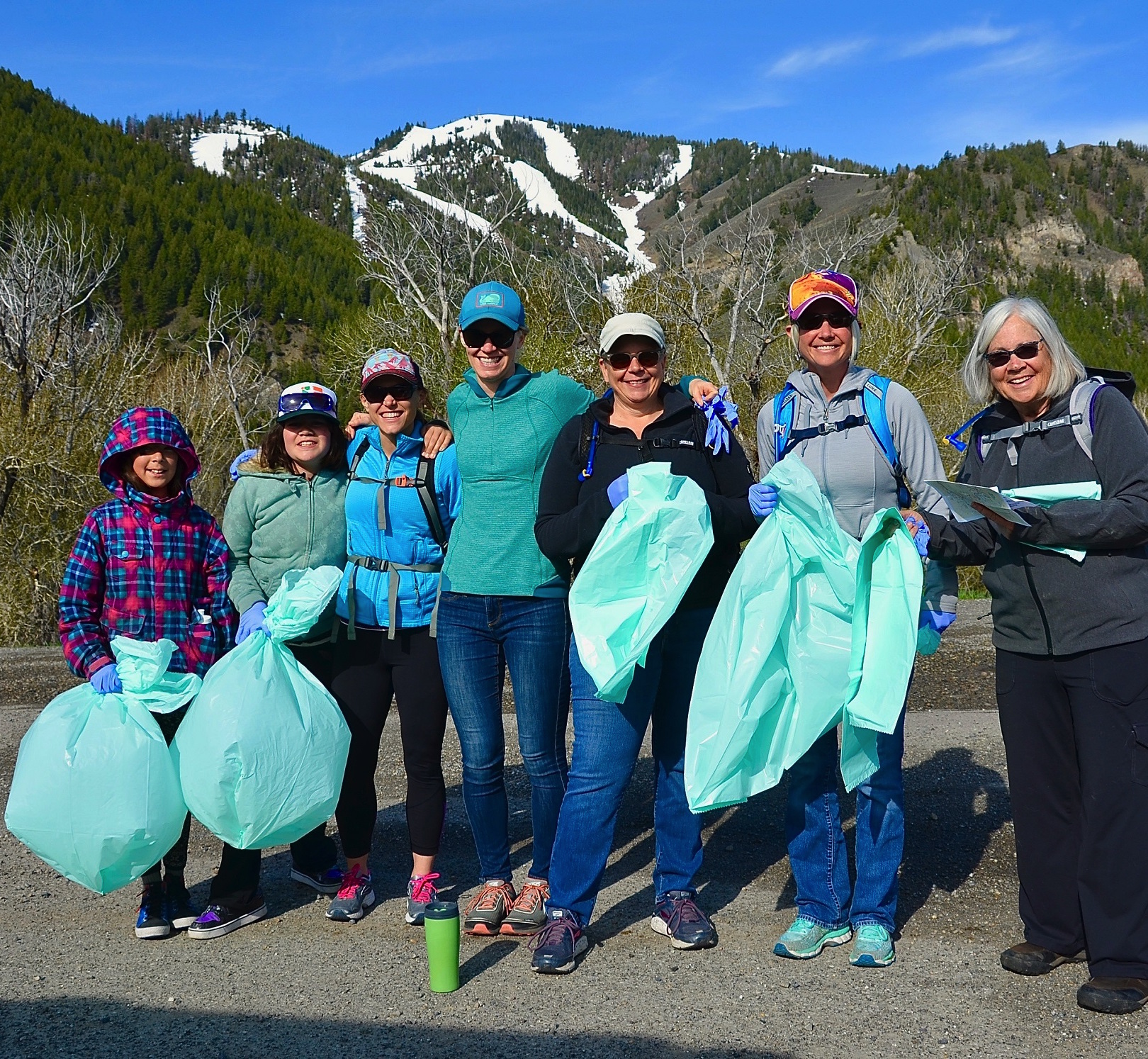
Most of our furry friends relieve themselves within the first 50 yards of leaping out of the car. Keep an eye out for your pet, bag that poop and help keep our trails clean. The ERC’s PUP Program (Pick Up for the Planet) is a partnership with the US Forest Service, BCRD, the Animal Shelter and the BLM. We need your help to continue to manage the sites which include 11 trailheads from Hailey to Fox Creek. To find out how you can support PUP call 726-4333 with questions or go to ERC Sun Valley on Facebook and post an image of you and your dog enjoying the trails! |
|
|
What takes a long time to warm up, looks funny, is a pain to get recycled, and contains mercury? Hint: these are the reasons people love to hate compact fluorescent light bulbs (known commonly as CFL’s). If you agree, then it’s time to celebrate! CFL’s are a dying breed, as declared recently by New York Times columnist David Pogue. Pogue’s even better news is that LED bulbs have just gotten even better! Here’s an excerpt from his article: “LED bulbs are a gigantic improvement over incandescent bulbs and even the compact fluorescents that the world spent several years telling us to buy. LEDs last about 25 times as long as incandescents and three times as long as CFLs; we’re talking maybe 25,000 hours of light. Install one today, and you may not own your house, or even live, long enough to see it burn out.” Plus, LED’s are instantly bright and don’t contain mercury.
So why haven’t we been using LED bulbs instead of CFL’s all along?
|
|
Read more...
|
|
How Green Is Your Wedding? |
|
|
|
|
Whether you incorporate just one or two earth-friendly elements in your wedding plans, or go completely organic from the silk of your dress to the food you serve, remember that every green choice makes a difference. First of all, consider a small guest list. This avoids the monumental carbon dioxide produced from transporting lots of people, and saves a lot of money too. Best would be wearing your mother’s dress, or purchasing vintage or consignment, but if your heart is set on new, consider donating the dresses after the event. Your donation could benefit breast cancer research (MakingMemories.org) for example. Sourcing the flowers and food locally will infuse your dollars directly into the local economy. Make plans in advance to transport food leftovers to Souper Supper and the flowers to Blaine Manor or the hospital. Don’t forget to recycle, and also take those wine and champagne bottles to a glass collection center. If you want to have a truly green event,
|
|
Read more...
|
|
Can Weddings Kill the Planet? |
|
|
|
|
The “something old” and “something borrowed” traditions of wedding celebrations demonstrate how we depend on the friends and family who love us, and also express the optimism that the loved ones’ collected good fortune will infuse the happy couple’s future together. Since a healthy environment in which to live and to raise children is also key to that happy future, let’s consider the potential negative and positive impacts that weddings (and other large events) could have.
Each one of the 2.5 million U.S. weddings this year is estimated to produce 62 tons of carbon dioxide and 400-600 lbs of garbage. Surprised? Consider all of the wedding paraphernalia: single-use dresses for the bride and attendants, chemically treated and imported flowers and foods, toxic makeup and skin care products, mined gem and gold-based jewelry, gifts that you don’t want or need, and multi-paged invitations with internal envelopes, to name a few. The majority of the carbon dioxide will come from the transportation to assemble the guests from near and far.
|
|
Read more...
|
|
Honoring Earth Day April 22 |
|
|
|
|
“I don’t recycle.” Has anyone ever said that to you? Singeing their ears with a “green is good” rant won’t have positive results; try listening hard, instead. A common reason Americans give for not recycling is that they don't know when, where, and what to recycle, so perhaps they just need information. Some will argue that more energy is used to recycle materials than to dispose of them in the landfill, since collection of recyclables requires additional trucks. To counter this, you could explain that savings from recycling paper, for example, offsets this collection cost; in this instance, you no longer have to fuel the logging trucks hauling in trees for new pulp.
Social psychologist Shawn Burn found that personal contact within a neighborhood is the most effective way to increase recycling within a community (and taping a note to their garbage can is guaranteed to be incendiary!). Other studies by Stuart Oskamp
|
|
Read more...
|
|
|
|
|
<< Start < Prev 1 2 3 4 5 6 7 8 9 10 Next > End >>
|
|
JPAGE_CURRENT_OF_TOTAL |